What are you neglecting when you search a commercial or government database of California professional licenses? The California Department of Consumer Affairs license lookup enables simultaneous search of a handful of disciplines. It’s limited and you can’t tell which... Read more »
Records of deaths reported in California are in various public records, which may supplement each other with, names of family, place and circumstances of death, physical description of the decedent, residence and their employment. Death certificates and obituaries are familiar... Read more »
I may search newspapers for a birth listing because there is no available birth index for that date or I don’t know in which county or state the birth occurred. In the case where I’m searching for birth parents for... Read more »
Can one assume that an online government index is complete even within the inclusive dates? What can you get if you supplement that with a phone call to the agency? A database that aggregates criminal records indicated that my subject... Read more »
Are you gathering names of people who work at a company? Searching for those through Linkedin may return an invisible profile if you’re not in the network of that individual. Your Linkedin network consists of your 1st, 2nd and 3rd... Read more »
We’re spoiled in California. We have a public birth index that lists records into the 1990’s. I also have a supplemental index that goes to 2009 and a microfiche index that has names of adoptees (and their birth name) and... Read more »
Search an online court index. It functions well (some do) and it returns an index record of cases filed for the subject’s name. But you don’t know if “no record found” is a false negative, do you? This is a... Read more »
Adoption Search and Reunion has been an aspect of my investigations business for many years. Now I’m formalizing it with a dedicated website that makes it easier for adoptees and birth families to find me. My adoption service locates and... Read more »
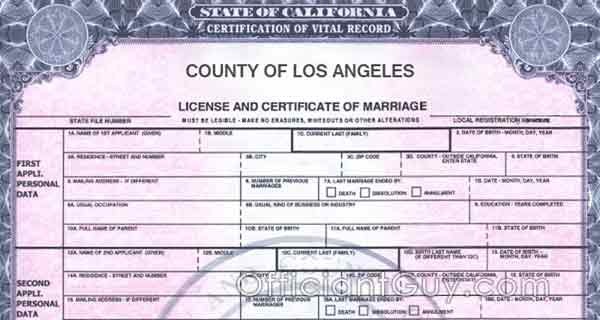
My inquiry started with six “no’s” and ended with a “yes” and a fist bump. What’s the law in California regarding verifying a confidential marriage? And who knows it? Private investigators? Genealogists? County clerks? The county clerks aren’t equally informed.... Read more »
Have you ever tried to identify the subscriber name that matched a telephone number? Of course you have. Dumb question. But securing the name, the carrier or the type of service — landline, cellular, VoIP or text-only — is not... Read more »